
Dermatitis (Eczema)
Specialist Assessment and Evidence-Based Care
Dermatitis, commonly referred to as eczema, is a group of inflammatory skin conditions that cause itch, redness, scaling and discomfort. Dermatitis can affect people of all ages and may be acute, recurrent, or chronic.
At Your Dermatologist, dermatitis and eczema are managed with a focus on accurate diagnosis, identification of contributing factors, and individualised treatment plans aimed at controlling symptoms and maintaining healthy skin over time.
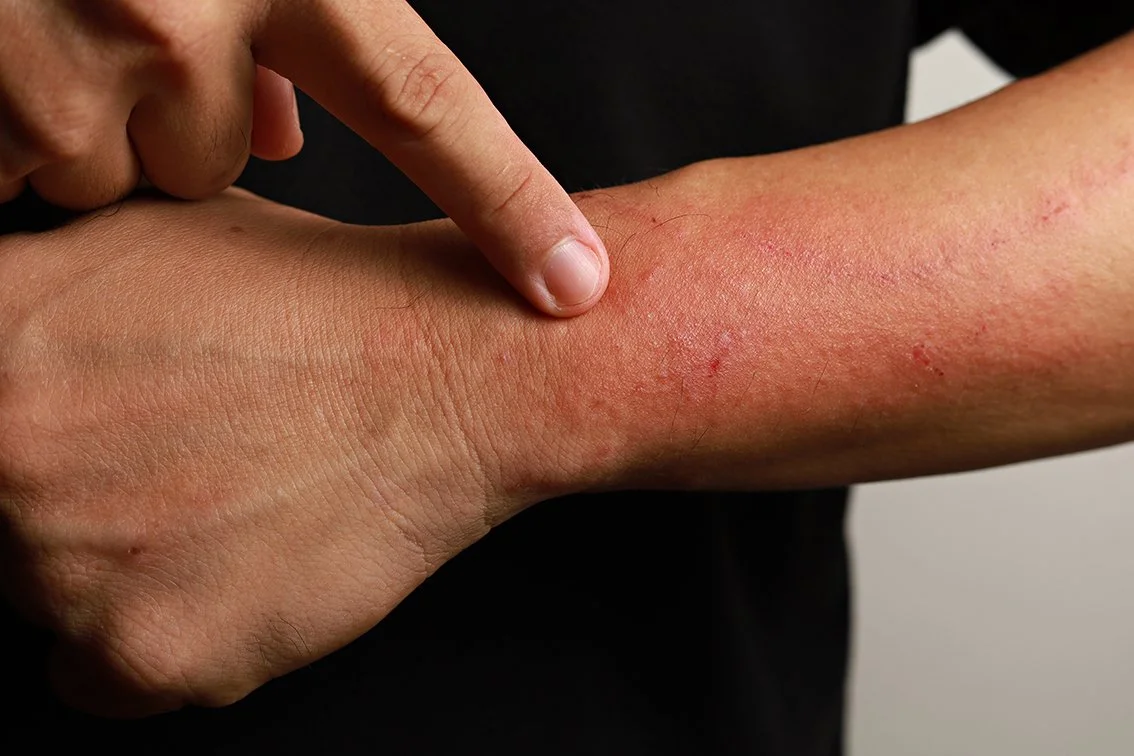
What is dermatitis (eczema)?
Dermatitis is a term used to describe inflammation of the skin. Common features include:
Itch (often significant)
Redness and scaling
Dry, cracked or oozing skin
Thickening of the skin with chronic disease (lichenification)
Dermatitis is not a single condition but a spectrum of disorders with overlapping features and different triggers.
Common types of dermatitis
Atopic dermatitis
Often begins in childhood but may persist into adulthood. Has genetic causes. It is associated with a disrupted skin barrier and immune dysregulation, and may be linked with asthma or allergic rhinitis.
Contact dermatitis
Caused by contact with substances that irritate the skin or trigger an allergic reaction. Patch testing may be used to identify relevant allergens.
Seborrhoeic dermatitis
Affects areas rich in oil glands, such as the scalp, face and chest, and may cause flaking and redness.
Other forms of dermatitis
Including nummular dermatitis (discoid eczema), hand eczema, and occupational dermatitis, each with specific contributing factors.
Why accurate diagnosis matters
Different types of dermatitis can look similar but require different management strategies. Accurate diagnosis helps:
Identify triggers and aggravating factors
Avoid unnecessary or ineffective treatments
Reduce flares and long-term skin damage
Improve quality of life
Specialist assessment is particularly important for persistent, severe or treatment-resistant eczema.
Dermatitis treatment at Your Dermatologist
Treatment is tailored to the type and severity of dermatitis, skin location, age, and individual circumstances. Management may include:
Skin care and barrier repair
Education on gentle skin care routines
Regular use of appropriate moisturisers
Avoidance of known irritants and triggers
Topical treatments
Anti-inflammatory treatments used appropriately and safely
Treatments selected to minimise side effects and long-term skin damage
Phototherapy
Use of narrowband UVB light to control eczema
Systemic treatments (when required)
For severe or widespread dermatitis, oral or injectable treatments may be considered after careful assessment.
Identification of triggers
Review of environmental, occupational and product-related exposures
Patch testing when allergic contact dermatitis is suspected
Often atopic dermatitis ‘eczema’ is not caused by any external factors, but is due to a genetic predisposition that leads to skin barrier dysfunction and dysregulation of the immune system
Living with dermatitis
Dermatitis is often a chronic condition with periods of flare and remission. Long-term management focuses on:
Reducing flare frequency and severity
Prompt treatment of flares
Maintaining skin barrier health
Ongoing review and adjustment of treatment as needed
Education and realistic expectations are a key part of care.
What to expect at your consultation
Your consultation will include:
Detailed history of symptoms and triggers
Examination of affected skin
Review of current and previous treatments
Discussion of diagnosis and management options
A clear, stepwise treatment plan

Specialist eczema care in Brisbane
If dermatitis or eczema is persistent, worsening, or impacting your quality of life, specialist dermatology assessment can help clarify the diagnosis and guide effective management.
At Your Dermatologist, dermatitis care is evidence-based, measured and focused on long-term skin health - not quick fixes.