
Skin Cancer & Melanoma Checks in Brisbane
Specialist Dermatologist Skin Examination and Risk Assessment
Skin cancer is common in Australia, and early detection plays an important role in effective management. Skin checks aim to identify concerning lesions at an early stage and guide appropriate investigation, treatment or monitoring.
At Your Dermatologist, skin cancer and melanoma checks are performed by a specialist dermatologist, with a focus on diagnostic accuracy, evidence-based decision-making and appropriate follow-up.
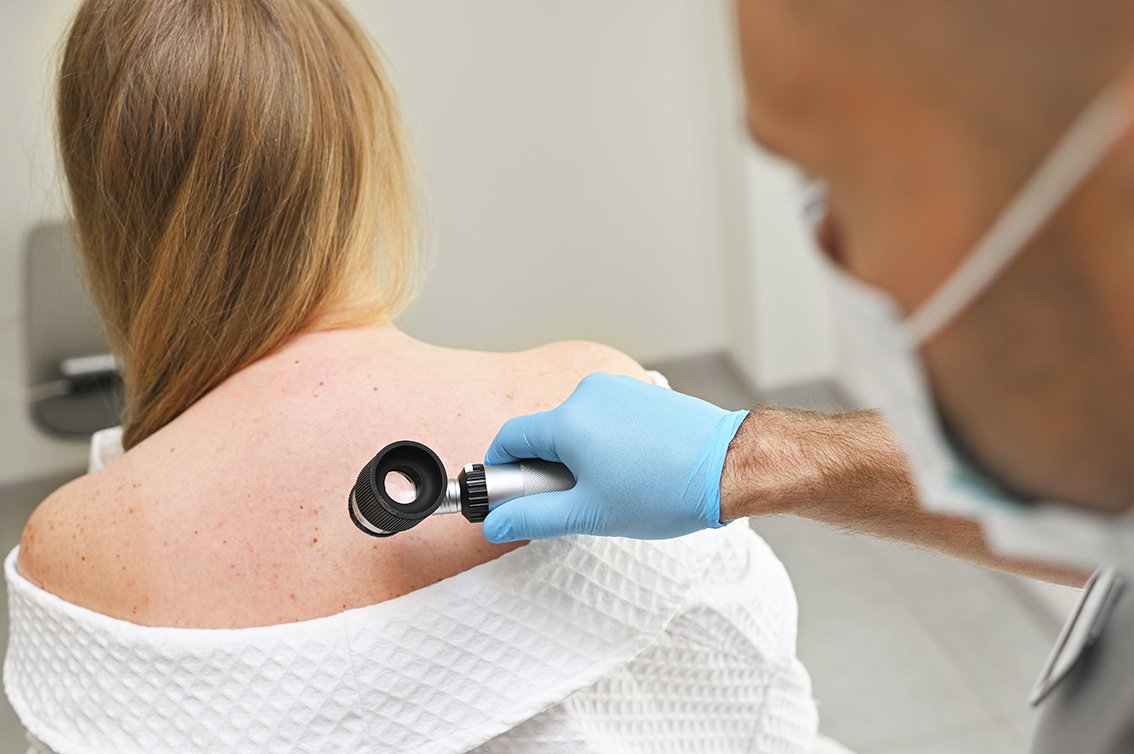
Specialist dermatologist assessment
A specialist dermatologist is a medical doctor who has completed many years of education, training, and rigorous examinations to become a fellow of the Australasian College of Dermatologists (FACD). They have completed:
A medical degree
Hospital-based medical and surgical training
At least five additional years of specialist dermatology training, including diagnosis and management of all skin conditions including skin cancer and melanoma. This depth of training is important because some suspected skin cancers can closely mimic benign skin conditions, and vice versa.
This training involves detailed experience in:
Complex and atypical skin lesions
Early and subtle melanoma detection
Dermatoscopy and lesion pattern recognition
Risk stratification and long-term skin surveillance
While many skin cancer checks in Australia are performed in GP-led clinics, specialist dermatologist assessment may be particularly valuable for patients with:
A personal or family history of melanoma
Multiple or atypical moles
Previous skin cancers
Immunosuppression
Uncertain or changing lesions
Complex skin presentations
Skin cancers can vary widely in appearance and may be subtle in early stages, particularly melanomas.
What is a skin cancer check?
A skin cancer check involves a systematic examination of the skin to assess for lesions that may represent:
Melanoma
Basal cell carcinoma (BCC)
Squamous cell carcinoma (SCC)
Other atypical or concerning lesions
The examination is tailored to individual risk factors and concerns and is conducted with attention to patient comfort and privacy.
Dermatoscopy and lesion assessment
Specialist skin checks include dermatoscopy, a non-invasive technique that allows magnified assessment of skin structures not visible to the naked eye. Dermatoscopy improves diagnostic accuracy and helps guide decisions about:
Monitoring
Biopsy
Surgical excision
Importantly, not all lesions require removal, and reassurance is often an appropriate outcome following specialist assessment.
What happens if a concerning lesion is found?
If a lesion is identified as suspicious, management may include:
Short-term monitoring
Skin biopsy to confirm diagnosis
Surgical excision where indicated
Referral for further care if required
Findings and recommendations are explained clearly, with discussion of risks, benefits and alternatives.
How often should skin checks be performed?
The recommended frequency of skin checks depends on individual risk factors. Some patients require:
A one-off assessment
Periodic review
Ongoing long-term surveillance
Your dermatologist will advise on an appropriate schedule based on your skin type, history and level of risk.
What to expect at your appointment
Your appointment will include:
Review of personal and family skin cancer history
Examination of relevant skin areas
Dermatoscopic assessment of lesions
Clear explanation of findings and next steps
If biopsies or procedures are required, these are discussed separately with informed consent.

Skin cancer and melanoma checks with a specialist dermatologist in Brisbane
If you have concerns about a skin lesion, a history of skin cancer or melanoma, or multiple or atypical moles, specialist dermatology assessment can provide clarity and appropriate management.
At Your Dermatologist, skin cancer and melanoma checks are specialist-led, evidence-based and focused on accurate diagnosis and appropriate follow-up without unnecessary intervention or alarm.