
Treatment for Leg Veins in Brisbane
Specialist Dermatologist Assessment and Management
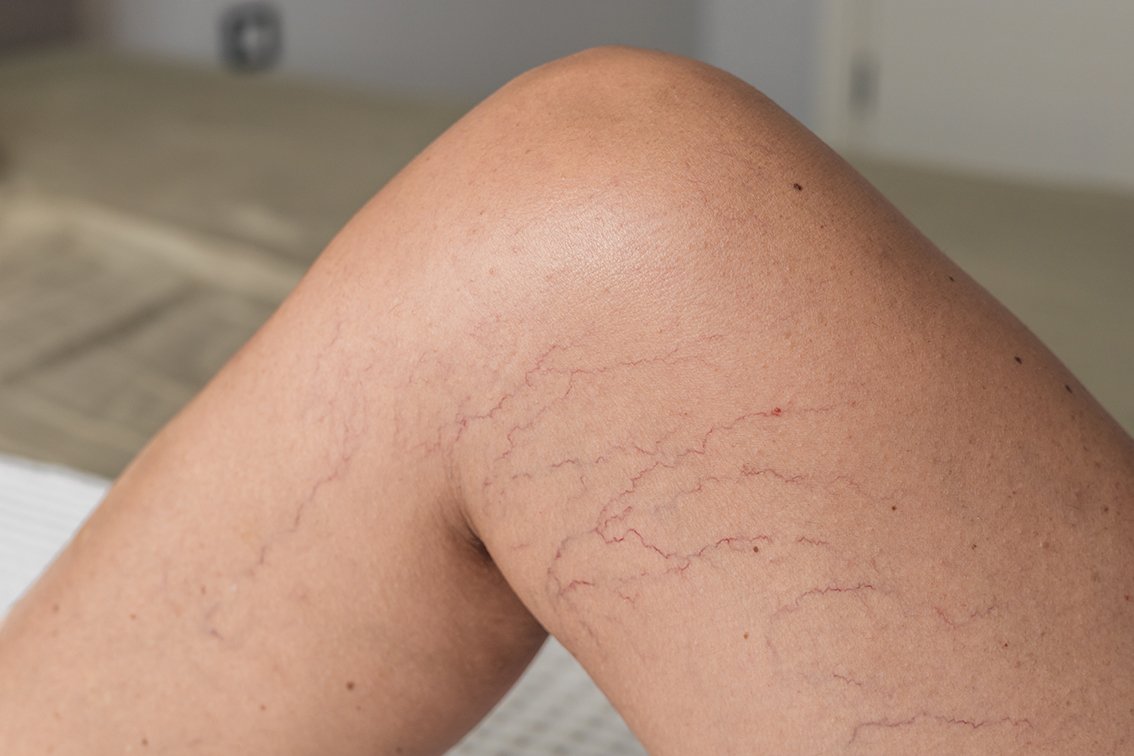
Visible leg veins are common and may present as fine red or blue surface veins, reticular veins, or larger varicose veins. While some are primarily a cosmetic concern, others may be associated with discomfort or underlying venous disease.
At Your Dermatologist, leg veins are assessed with a medical, evidence-based approach, focusing on accurate diagnosis, appropriate investigation and selection of treatment where clinically suitable.
What causes leg veins?
Leg veins become more visible when superficial veins dilate or when underlying venous circulation changes. Contributing factors may include:
Genetic predisposition
Ageing
Pregnancy
Hormonal influences
Prolonged standing
Previous venous disease
Superficial veins such as spider veins and reticular veins are common and usually benign, but assessment is important to exclude more significant venous insufficiency where indicated.
Types of leg veins commonly assessed
Spider veins (telangiectasia) – fine red or purple surface veins
Reticular veins – small blue-green veins beneath the skin
Early varicose veins – larger dilated veins
Skin changes associated with chronic venous disease
Where deeper venous disease is suspected, referral for vascular assessment may be recommended.
Why specialist assessment matters
Not all visible leg veins require treatment. Specialist dermatology assessment helps to:
Differentiate cosmetic surface veins from underlying venous insufficiency
Identify associated skin inflammation or eczema
Assess suitability for treatment
Discuss realistic outcomes and limitations
Management is guided by medical findings rather than appearance alone.
Treatment options for suitable cases
When treatment is appropriate and requested, options may include:
Sclerotherapy
Sclerotherapy involves the injection of a solution into selected superficial veins, causing them to collapse and gradually fade over time.
Suitability depends on:
Type and size of vein
Underlying venous function
Skin type and individual risk factors
Multiple sessions may be required, and response varies between individuals.
Vascular laser therapy
Vascular laser treatment may be considered for selected superficial veins. Laser therapy targets visible blood vessels within the skin.
Treatment selection depends on:
Vein size and location
Skin characteristics
Individual healing response
As with all procedures, expected benefits, risks and alternatives are discussed prior to treatment.
What results can be expected?
Treatment aims to reduce the visibility of selected superficial veins and improve associated symptoms where present.
Outcomes vary depending on:
Vein type and size
Individual response
Number of treatment sessions
Complete clearance cannot be guaranteed, and some veins may require maintenance treatment over time.
Safety & aftercare
After treatment, patients may experience:
Temporary redness or bruising
Mild discomfort
Temporary skin colour changes
Clear aftercare instructions are provided, and follow-up is arranged as needed.
What to expect at your consultation
Your consultation will include:
Review of symptoms and medical history
Examination of the legs and skin
Assessment for underlying venous disease
Discussion of whether treatment is appropriate
Explanation of risks, benefits and expected outcomes
In some cases, conservative management or referral may be recommended instead of procedural treatment.

Leg vein assessment with Your Dermatologist in Brisbane
If you have visible leg veins associated with discomfort, skin changes or cosmetic concern, specialist dermatology assessment can help clarify their nature and discuss appropriate options.
At Your Dermatologist, leg vein management is measured, evidence-based and focused on appropriate care.