
Pigmentation & Melasma Treatment in Brisbane
Specialist Dermatologist Assessment of Pigmentary Skin Conditions
Changes in skin colour or uneven pigmentation are common and can occur at any age. Pigmentation may be localised or widespread and can have a significant impact on confidence and quality of life.
At Your Dermatologist, pigmentation and melasma are managed with a careful diagnostic approach and evidence-based treatment selection, tailored to the underlying cause, skin type and individual risk factors.
What is pigmentation?
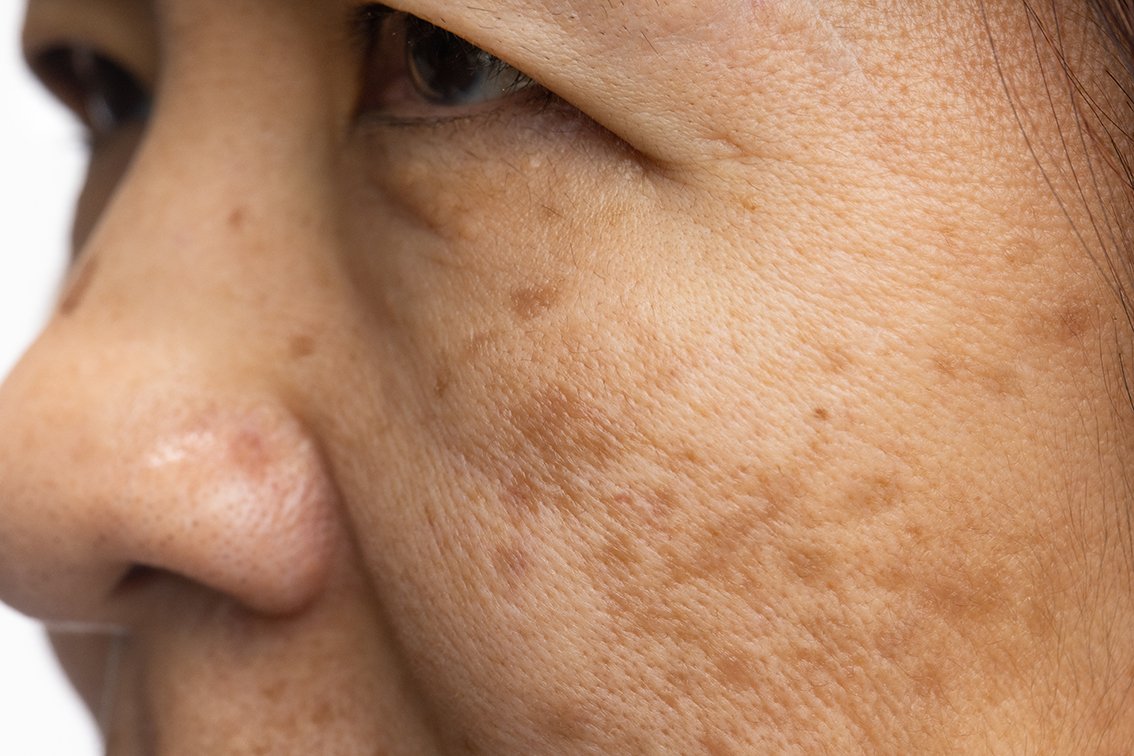
Pigmentation refers to changes in skin colour caused by alterations in melanin, the pigment produced by skin cells. Pigmentation may appear darker (hyperpigmentation) or lighter (hypopigmentation) than the surrounding skin.
Pigmentation disorders have many causes, and accurate diagnosis is essential before treatment is considered.
What is melasma?
Melasma is a chronic form of facial hyperpigmentation, most commonly affecting the cheeks, forehead, upper lip and chin. It is more common in women and is often influenced by:
Sun and visible light exposure
Hormonal factors (including pregnancy or hormonal therapies)
Genetic predisposition
Melasma can be persistent and prone to recurrence, even after treatment.
Common pigmentation concerns assessed
Pigmentary conditions commonly assessed include:
Melasma
Post-inflammatory hyperpigmentation (pigment following acne, eczema or injury)
Sun-related pigmentation and age spots
Uneven skin tone or patchy pigmentation
Pigmentation associated with medications or medical conditions
Some pigment changes are benign and self-limiting, while others require ongoing management.
Why specialist assessment matters
Pigmentation disorders vary widely in cause, behaviour and response to treatment. Specialist assessment is important to:
Confirm the diagnosis
Distinguish between different types of pigmentation
Assess underlying triggers and risk factors
Select treatments appropriate for the individual’s skin type
Inappropriate or overly aggressive treatment can worsen pigmentation, particularly in darker skin types.
Management approach for pigmentation and melasma
Treatment is individualised and may involve a stepwise, conservative approach, including:
Skin care and protection
Education on sun and visible-light protection
Optimisation of gentle skin care routines
Identification and avoidance of triggers
Topical treatments
In selected cases, topical therapies may be used to:
Reduce pigment production
Improve skin turnover
Address inflammation contributing to pigmentation
These treatments are selected carefully and monitored to minimise irritation or rebound pigmentation.
Procedural treatments
In some circumstances, procedural options may be considered. Suitability depends on the diagnosis, skin type and prior response to treatment, and these options are discussed cautiously.
What results can be expected?
Pigmentation and melasma treatment aims to improve skin tone and reduce contrast, not to permanently remove all pigment.
Improvement is often:
Gradual
Variable between individuals
Dependent on strict sun protection and maintenance
Melasma in particular is a chronic condition and may recur over time, even after successful treatment.
What to expect at your consultation
Your consultation will include:
Detailed assessment of pigmentation pattern and history
Review of triggers, medications and previous treatments
Discussion of suitable management options
Clear explanation of expected outcomes and limitations
A personalised, long-term management plan

Pigmentation and melasma dermatologist in Brisbane
If pigmentation or melasma is persistent, worsening, or affecting your confidence, specialist dermatology assessment can help clarify the diagnosis and guide appropriate management.
At Your Dermatologist, pigmentation care is evidence-based, measured and focused on long-term skin health.