
Warts
Specialist Dermatologist Assessment and Management
Warts are common viral skin lesions that can affect people of all ages. While many warts are harmless and may resolve over time, others can be persistent, uncomfortable, spread to other areas, or cause significant concern depending on their location.
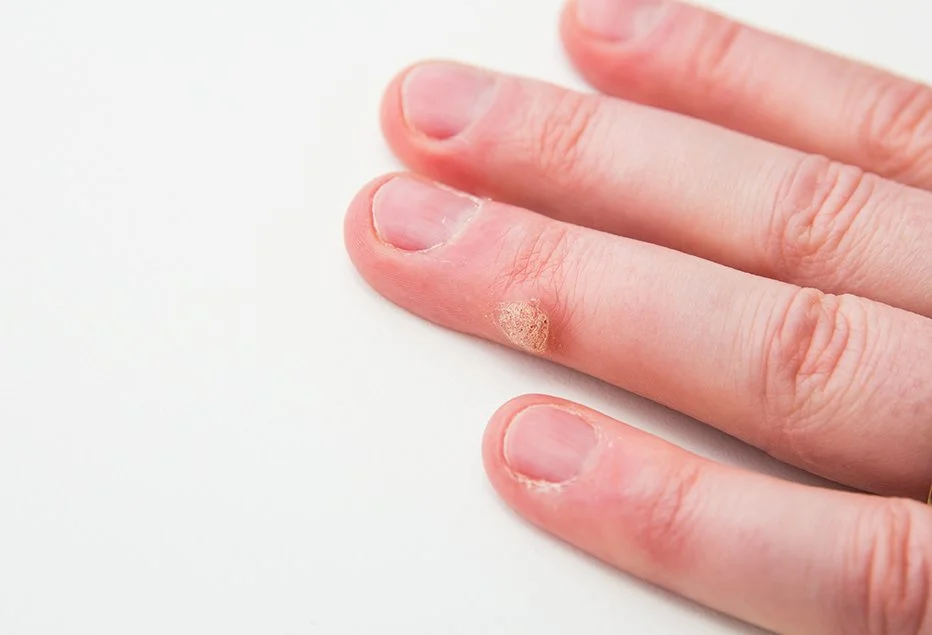
At Your Dermatologist, warts are managed with a diagnosis-driven, evidence-based approach, taking into account the type of wart, symptoms, duration and individual circumstances.
What are warts?
Warts are caused by infection with certain types of the human papillomavirus (HPV), which leads to thickening of the outer layer of the skin.
Warts are benign and not dangerous, but they can be persistent and may recur despite treatment.
Common types of warts
Warts can appear in different forms, including:
Common warts - often on the hands or fingers
Plantar warts - on the soles of the feet, sometimes painful with walking
Flat warts - small, smooth warts often on the face or limbs
Filiform warts - narrow projections, commonly on the face
Periungual warts - around the nails
Genital warts – involving the genitalia or perianal areas
The appearance and behaviour of warts vary depending on the HPV type, location and immune response. Accurate diagnosis is important, particularly in sensitive areas, as other skin conditions may resemble warts.
Why specialist assessment matters
Warts are sometimes:
Confused with other skin lesions
Resistant to over-the-counter treatments
Recurrent or spreading despite treatment
Located in sensitive or high-risk areas
Specialist assessment helps to:
Confirm the diagnosis
Exclude other skin conditions that may resemble warts
Select appropriate treatment options
Avoid unnecessary or overly aggressive treatment
At Your Dermatologist, care is measured and appropriate, recognising that not all warts require active treatment.
Our management approach for warts
Treatment depends on the type of wart, its location, symptoms and patient preference.
Observation
Some warts resolve spontaneously over time, particularly in children. In these cases, reassurance and monitoring may be appropriate.
Medical and procedural treatment
When treatment is indicated, options may include:
Topical therapies
In-clinic procedural treatments selected according to wart type and location
Multiple treatments are often required, and recurrence can occur.
What results can be expected?
Treatment aims to:
Reduce or clear the wart
Minimise discomfort or spread
Limit scarring or skin damage
Response varies between individuals. Even with treatment, warts may recur, reflecting the nature of the underlying viral infection.
What to expect at your consultation
Your consultation will include:
Assessment of the lesion(s)
Confirmation of diagnosis
Discussion of whether treatment is necessary
Review of suitable management options
Clear explanation of expected outcomes and limitations

Wart assessment with a dermatologist in Brisbane
If you have persistent, painful, spreading or uncertain skin lesions, specialist dermatology assessment can help clarify the diagnosis and guide appropriate management.
At Your Dermatologist, wart care is evidence-based, conservative where appropriate, and focused on effective management rather than unnecessary intervention.