
Psoriasis Treatment in Brisbane
Specialist Dermatologist Care for Chronic Inflammatory Skin Disease
Psoriasis is a chronic inflammatory skin condition that can vary widely in severity and impact. While it often affects the skin, psoriasis is a systemic inflammatory condition and may be associated with joint symptoms and other health considerations.
At Your Dermatologist, psoriasis management focuses on accurate diagnosis, tailored treatment selection, and long-term disease control, with careful consideration of safety, effectiveness, and quality of life.
What is psoriasis?
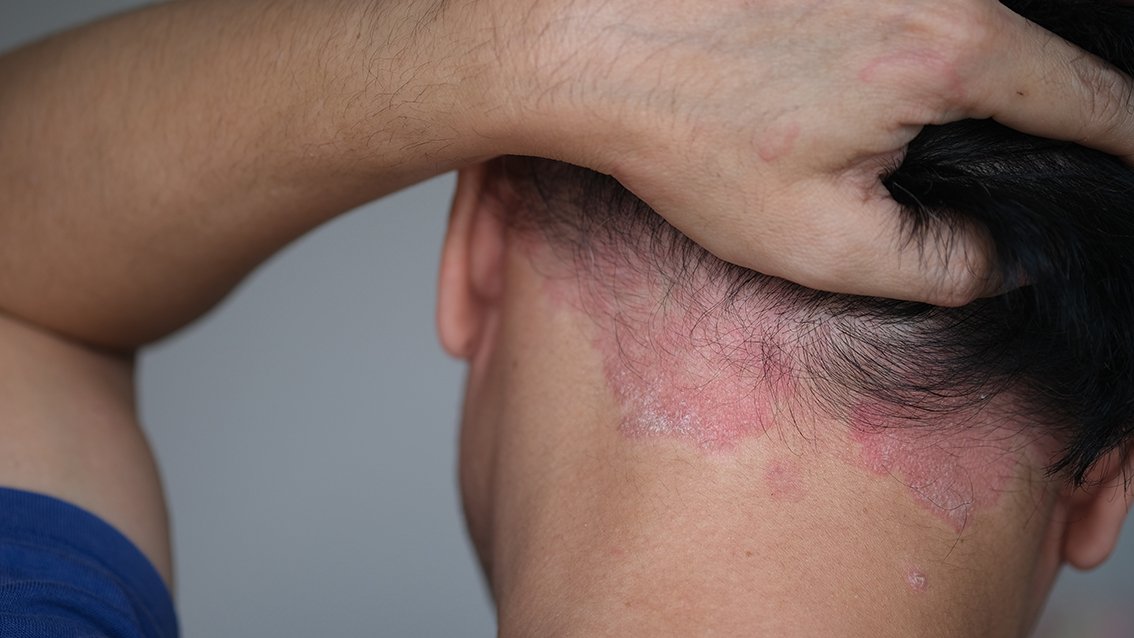
Psoriasis is an immune-mediated condition in which skin cells are produced more rapidly than normal, leading to thickened, inflamed, scaly patches of skin.
Psoriasis is not contagious and is influenced by a combination of genetic, immune and environmental factors.
Common features of psoriasis
Psoriasis may present differently between individuals. Features can include:
Well-defined red plaques with overlying scale
Itch, discomfort or skin sensitivity
Involvement of the scalp, elbows, knees, trunk or nails
Fluctuating severity, with periods of flare and improvement
Common types of psoriasis
Psoriasis can present in different forms, including:
Chronic plaque psoriasis (most common)
Scalp psoriasis
Guttate psoriasis
Palmoplantar psoriasis
Inverse psoriasis (skin folds)
Nail psoriasis
Some people with psoriasis may also develop joint pain or stiffness (psoriatic arthritis), which benefits from early recognition and appropriate referral.
Why specialist assessment matters
Psoriasis varies significantly in:
Type and distribution
Severity and body surface involvement
Impact on daily life
Associated conditions and treatment suitability
Management decisions depend on these factors. At Your Dermatologist, treatment is selected based on:
Clinical severity and pattern
Previous treatments and response
Skin type and sensitivity
Lifestyle and work considerations
Long-term safety and monitoring requirements
Psoriasis treatment options
Psoriasis treatment is individualised and may involve stepwise escalation depending on disease severity and response.
Topical treatments
For mild to moderate psoriasis, treatment may include:
Anti-inflammatory topical therapies
Treatments to reduce scale and skin thickening
Structured regimens to improve control and adherence
Phototherapy
For more widespread or persistent psoriasis, medically supervised phototherapy may be considered. This involves controlled exposure to specific wavelengths of ultraviolet light under specialist guidance.
Systemic treatments
For moderate to severe psoriasis, or psoriasis affecting quality of life, systemic treatments may be appropriate. These are prescribed and monitored carefully by a dermatologist and may include:
Oral medications
Injectable or targeted immune therapies
The decision to use systemic therapy is based on a careful assessment of benefits, risks, and individual circumstances.
Long-term management of psoriasis
Psoriasis is typically a long-term condition, and treatment aims to:
Reduce inflammation and visible skin changes
Minimise flares
Improve comfort and function
Support long-term skin and overall health
Treatment plans are reviewed and adjusted over time as disease activity and life circumstances change.
What to expect at your consultation
Your psoriasis consultation will include:
A detailed medical and skin history
Skin examination
Assessment of severity and impact on daily life
Discussion of appropriate treatment options
A clear management plan with follow-up where required

Specialist psoriasis dermatologist in Brisbane
If psoriasis is persistent, spreading, uncomfortable, or affecting your quality of life, specialist assessment can help clarify the most appropriate management options.
At Your Dermatologist, psoriasis care is evidence-based, measured and focused on sustainable long-term outcomes - not quick fixes.