
Vitiligo
Specialist Dermatologist Assessment and Management
Vitiligo is a chronic skin condition characterised by loss of pigment, resulting in white or pale patches of skin. It can affect people of all ages and skin types and may have a significant psychological and social impact.
At Your Dermatologist, vitiligo is managed with a careful, evidence-based approach, focusing on accurate diagnosis, discussion of treatment options where appropriate, and support for long-term skin health.
What is vitiligo?
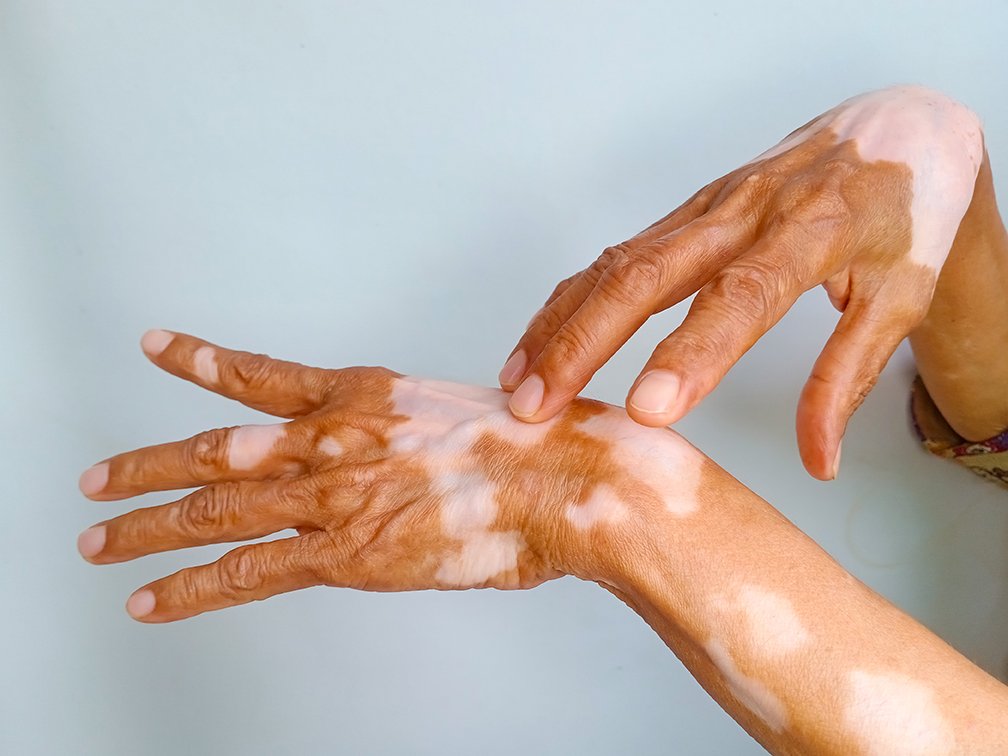
Vitiligo is an autoimmune skin condition in which pigment-producing cells (melanocytes) are damaged or destroyed, leading to depigmented patches of skin.
Vitiligo is not infectious or contagious and is influenced by genetic and immune factors. The condition can be stable or progressive and may vary considerably between individuals.
How vitiligo presents
Vitiligo may present as:
Well-defined white or pale patches of skin
Symmetrical involvement of the body
Areas around the eyes, mouth, hands, feet or genital skin
Whitening of hair within affected areas
The extent and pattern of vitiligo differ between individuals and may change over time.
Why specialist assessment matters
Assessment by a dermatologist is important to:
Confirm the diagnosis
Distinguish vitiligo from other causes of pigment loss
Assess extent, activity and pattern of disease
Discuss prognosis and management options
Specialist input is also important to address associated conditions and to provide clear, accurate information about the condition.
Management approach for vitiligo
Vitiligo management is individualised and depends on factors such as extent, activity, skin type and patient preference.
Education and support
For many people, understanding the condition and its natural course is an important part of care. Discussion may include:
Expected patterns of progression
Sun protection for depigmented skin
Camouflage options if desired
Medical treatment
In selected cases, medical treatment may be considered to:
Reduce inflammation in active vitiligo
Encourage repigmentation in some areas
Response to treatment varies, and not all areas respond equally.
Phototherapy
For some patients, UVB phototherapy may be considered as part of a treatment plan, following specialist assessment and discussion of suitability and commitment required.
What results can be expected?
Vitiligo is a chronic condition and there is currently no definitive cure. Treatment aims to:
Stabilise disease activity
Encourage repigmentation where possible
Improve appearance and quality of life
Outcomes vary significantly between individuals. Some areas may respond well to treatment, while others may show limited change.
What to expect at your consultation
Your consultation will include:
A detailed history of pigment changes
Examination of affected and unaffected skin
Discussion of diagnosis and natural history
Review of appropriate management options
A personalised plan based on your goals and circumstances

Vitiligo care with a dermatologist in Brisbane
If you have noticed new or changing areas of pigment loss, or have an established diagnosis of vitiligo and would like specialist advice, dermatology assessment can help clarify the diagnosis and guide appropriate management.
At Your Dermatologist, vitiligo care is evidence-based, measured and focused on realistic outcomes and long-term skin health.