
Sun Damage & Sun Spots in Brisbane
Specialist Dermatologist Assessment and Evidence-Based Management
Australia has one of the highest rates of sun exposure in the world. Over time, ultraviolet (UV) radiation can cause cumulative damage to the skin, leading to visible changes as well as an increased risk of skin cancer.
At Your Dermatologist, sun damage and sun spots are assessed with a medical, evidence-based approach, focusing on accurate diagnosis, skin cancer risk assessment, and appropriate management tailored to individual skin type and history.
What is sun damage?
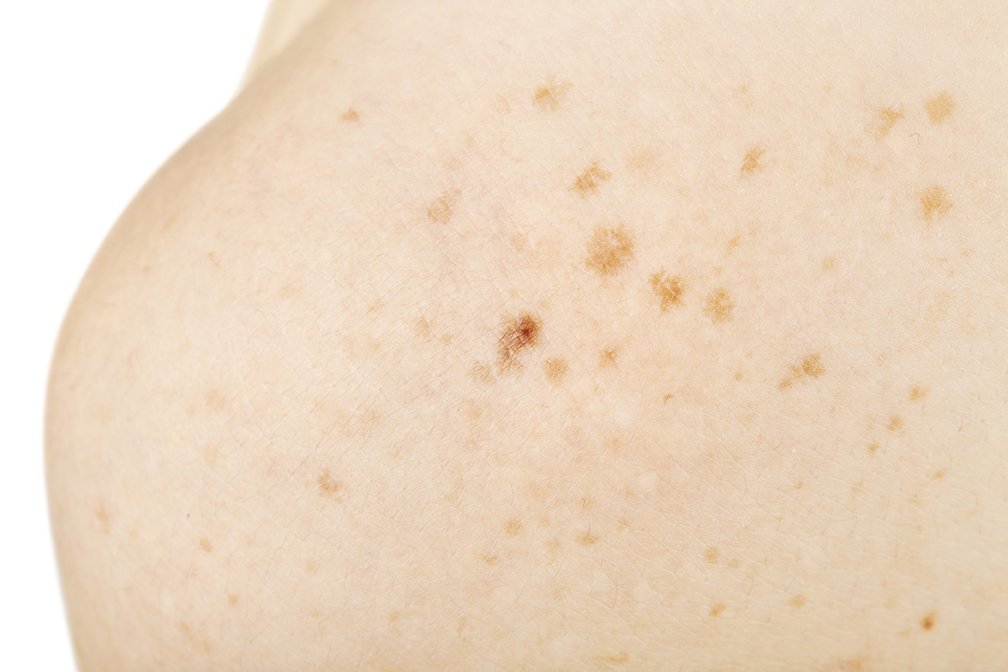
Sun damage refers to the long-term effects of ultraviolet (UV) exposure on the skin. These changes develop gradually and may not become apparent until years after exposure.
Sun damage can affect both the appearance and health of the skin and may present in a variety of ways.
What are sun spots?
Sun spots are areas of increased pigmentation caused by UV exposure. They are also known as:
Solar lentigines
Sun-induced pigmentation
Sun spots most commonly appear on areas with high cumulative sun exposure, such as the face, hands, forearms, shoulders and chest.
While many sun spots are benign, some pigmented lesions may resemble or coexist with skin cancers, making accurate assessment important.
Common signs of sun-damaged skin
Sun damage may present as:
Sun spots or uneven pigmentation
Rough or scaly patches
Actinic keratoses (sun-damaged pre-cancerous lesions)
Redness or visible blood vessels
Thinning or fragile skin
Changes in skin texture or elasticity
Not all sun damage is immediately visible, and assessment often focuses on both surface changes and underlying risk.
Why specialist assessment matters
Sun-damaged skin can be difficult to assess without training, as benign changes may resemble early skin cancers. Specialist dermatology assessment helps to:
Differentiate benign sun spots from concerning lesions
Identify actinic keratoses or early skin cancers
Assess overall skin cancer risk
Guide appropriate monitoring or treatment
At Your Dermatologist, assessment is diagnosis-driven.
Management approach for sun damage and sun spots
Management depends on the type and extent of sun damage, skin type, and individual risk factors.
Monitoring and skin surveillance
Some sun spots and sun-related changes require:
Clinical monitoring
Dermatoscopic assessment
Ongoing skin checks
Medical treatment
In selected cases, treatment may be recommended for:
Actinic keratoses
Symptomatic or progressive sun-damaged skin
Lesions with concerning features
Procedural options
Where appropriate, procedural treatments may be considered for certain sun-related lesions, following careful assessment and discussion of benefits and limitations.
Sun protection and prevention
Sun protection is a key part of managing sun damage and reducing future risk. This may include:
Daily use of broad-spectrum sunscreen
Protective clothing and hats
Avoidance of peak UV exposure
Regular skin examinations
Education and prevention are central to long-term skin health.
What to expect at your consultation
Your consultation will include:
Review of sun exposure history and risk factors
Examination of sun-damaged areas
Dermatoscopic assessment where indicated
Explanation of findings
Discussion of management, monitoring or treatment options

Sun damage and sun spot assessment with a dermatologist in Brisbane
If you have sun spots, rough or changing skin lesions, or concerns about cumulative sun damage, specialist dermatology assessment can help clarify the diagnosis and guide appropriate care.
At Your Dermatologist, sun damage care is evidence-based, measured and focused on skin health and cancer prevention.