
Photodynamic Therapy (PDT) in Brisbane
Specialist Dermatologist-Delivered Medical Treatment
Photodynamic therapy (PDT) is a medical treatment used in dermatology for selected skin conditions, particularly those related to sun damage and certain pre-cancerous or superficial skin lesions.
At Your Dermatologist, PDT is offered following careful specialist assessment, with clear explanation of suitability, expected outcomes, and limitations.
What is photodynamic therapy (PDT)?
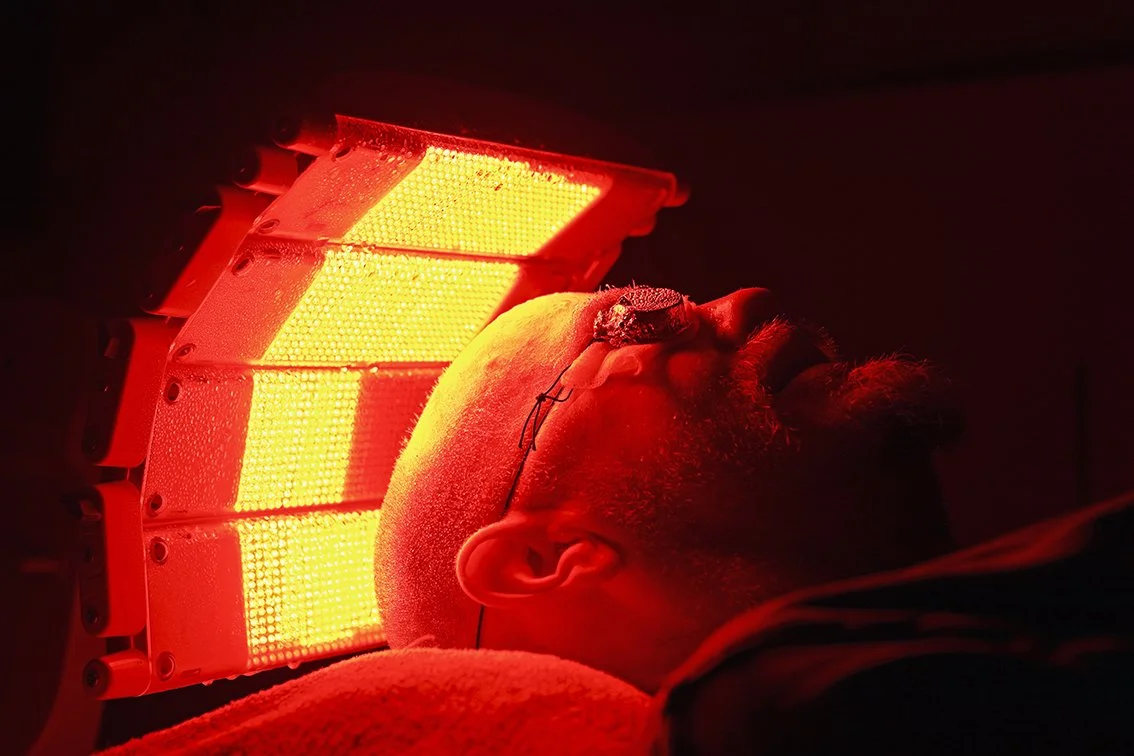
Photodynamic therapy involves the application of a photosensitising medication to the skin, followed by exposure to a specific wavelength of light. This process selectively targets abnormal or damaged skin cells while minimising effects on surrounding healthy tissue.
PDT is an established dermatological treatment that must be performed under medical supervision, with appropriate patient selection and aftercare.
When is PDT used in dermatology?
Photodynamic therapy may be considered for:
Sun-damaged skin with widespread actinic damage
Actinic keratoses (solar keratoses)
Certain superficial skin lesions where PDT is clinically appropriate
Suitability depends on the diagnosis, location, extent of disease, skin type and previous treatments.
Why specialist assessment is important
PDT is not suitable for all skin conditions or all patients. Specialist assessment is required to:
Confirm the diagnosis
Determine whether PDT is an appropriate option
Discuss alternative treatments where relevant
Explain expected benefits, limitations and potential side effects
At Your Dermatologist, PDT is recommended only when the risk–benefit profile is appropriate for the individual patient.
What does PDT involve?
While individual protocols vary, PDT generally involves:
Preparation of the affected skin
Application of a photosensitising agent
A waiting period to allow absorption
Controlled light exposure
Post-treatment care and sun protection
Treatment may cause discomfort during light exposure and temporary skin reactions afterward, which are discussed in advance.
What results can be expected?
PDT aims to:
Treat abnormal or sun-damaged skin cells
Reduce disease burden in treated areas
Response varies between individuals and conditions. Some patients may require:
More than one treatment session
Ongoing monitoring
Additional or alternative treatments
Complete clearance or permanent prevention of future lesions cannot be guaranteed, and realistic expectations are an important part of treatment planning.
Aftercare and follow-up
After PDT, patients are given clear instructions regarding:
Sun avoidance and protection
Skin care during healing
Expected short-term skin reactions
When to seek review
Follow-up is arranged as required to assess response and plan further management.

Photodynamic therapy with a dermatologist in Brisbane
If you have sun-damaged skin or a condition where photodynamic therapy may be appropriate, specialist dermatology assessment can help determine whether PDT is a suitable option for you.
At Your Dermatologist, PDT is provided as part of evidence-based medical dermatology care with careful patient selection, clear communication and realistic expectations.