
Rosacea & Facial Redness in Brisbane
Specialist Dermatologist Assessment and Evidence-Based Management
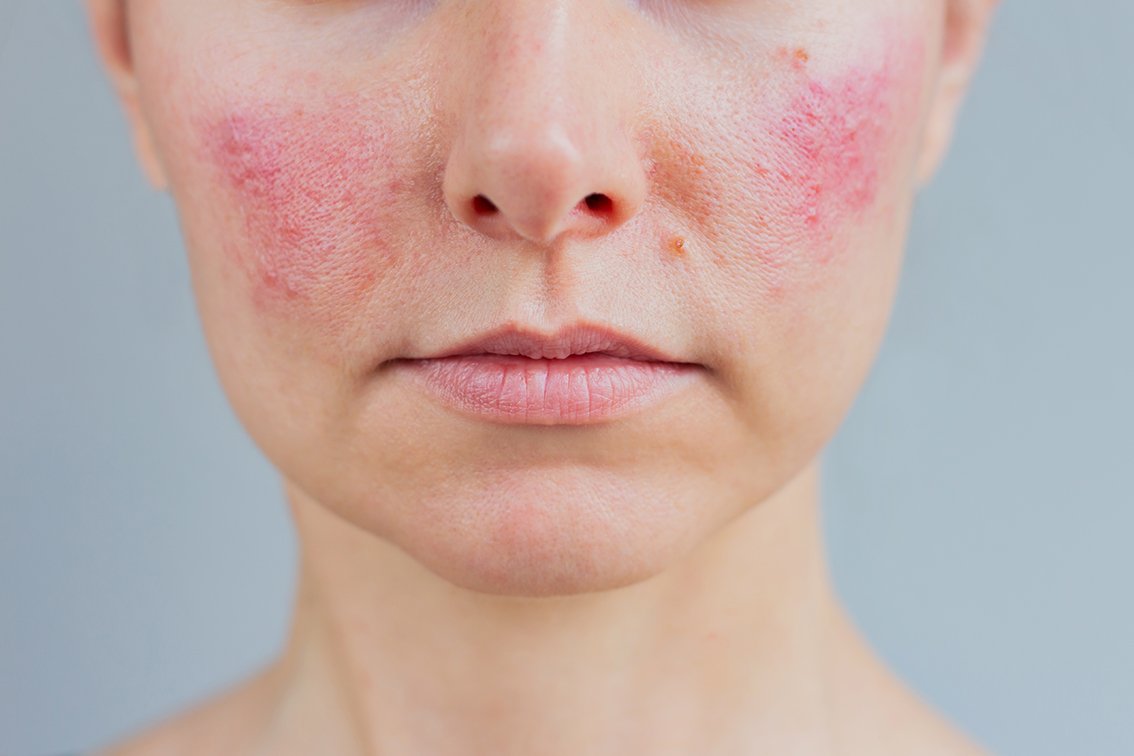
Rosacea and facial redness are common, often chronic skin conditions that can fluctuate over time. Symptoms may include persistent redness, flushing, visible blood vessels, bumps or skin sensitivity, and can significantly affect comfort and confidence.
At Your Dermatologist, rosacea and redness are managed with a careful diagnostic approach and evidence-based treatment selection, tailored to the individual pattern of disease, skin type and triggers.
What is rosacea?
Rosacea is a chronic inflammatory skin condition that primarily affects the central face. It may present with persistent redness, episodes of flushing, inflammatory bumps, or visible blood vessels.
Rosacea has several subtypes and may overlap with other conditions, which is why accurate diagnosis is important before treatment is started.
Common features of rosacea and redness
People may seek assessment for:
Persistent facial redness or flushing
Visible blood vessels (telangiectasia)
Red bumps or pustules that resemble acne
Burning, stinging or skin sensitivity
Worsening with heat, sun, alcohol, spicy foods or stress
Thickening of skin and sebaceous glands (e.g. Rhinophyma)
Symptoms can vary in severity and may change over time.
Subtypes of Rosacea:
Erythematotelangiecatic
Papulopustular
Phymatous
Ocular
Other: Granulomatous, rosacea fulminans, steroid-induced, perioral dermatitis
Why specialist assessment matters
Facial redness can have multiple causes and may be mistaken for acne, eczema or sun damage. Specialist assessment helps to:
Confirm whether rosacea is present
Identify the dominant features (redness, flushing, bumps, sensitivity)
Exclude other causes of facial redness
Tailor treatment to the specific pattern of disease
Management approach for rosacea and redness
Treatment is individualised and often involves a stepwise approach, which may include:
Education and trigger management
Identification of personal triggers
Advice on sun protection and gentle skin care
Avoidance of products that worsen sensitivity
Topical treatments
In selected cases, topical therapies may be used to:
Reduce inflammation
Improve redness or bumps
Support the skin barrier
Oral treatments
For some patterns of rosacea, oral medications may be considered for limited periods, with careful monitoring.
Procedural options
In selected cases, procedural treatments may be discussed for persistent redness or visible blood vessels, following specialist assessment and discussion of suitability and limitations.
What results can be expected?
Rosacea is typically a chronic condition. Treatment aims to:
Reduce redness and inflammation
Minimise flares
Improve comfort and appearance
While symptoms can often be well controlled, permanent cure is not currently possible. Ongoing maintenance and trigger avoidance are usually required.
What to expect at your consultation
Your consultation will include:
A detailed history of symptoms and triggers
Examination of the skin
Discussion of likely diagnosis
Review of suitable management options
A personalised treatment and follow-up plan

Rosacea dermatologist in Brisbane
If facial redness, flushing or rosacea symptoms are persistent or worsening, specialist dermatology assessment can help clarify the diagnosis and guide appropriate management.
At Your Dermatologist, rosacea care is evidence-based, measured and focused on long-term control.